Raja Hriday Shah Football League: 6th Edition
Establishing a Structured Pathway in Rural Sport
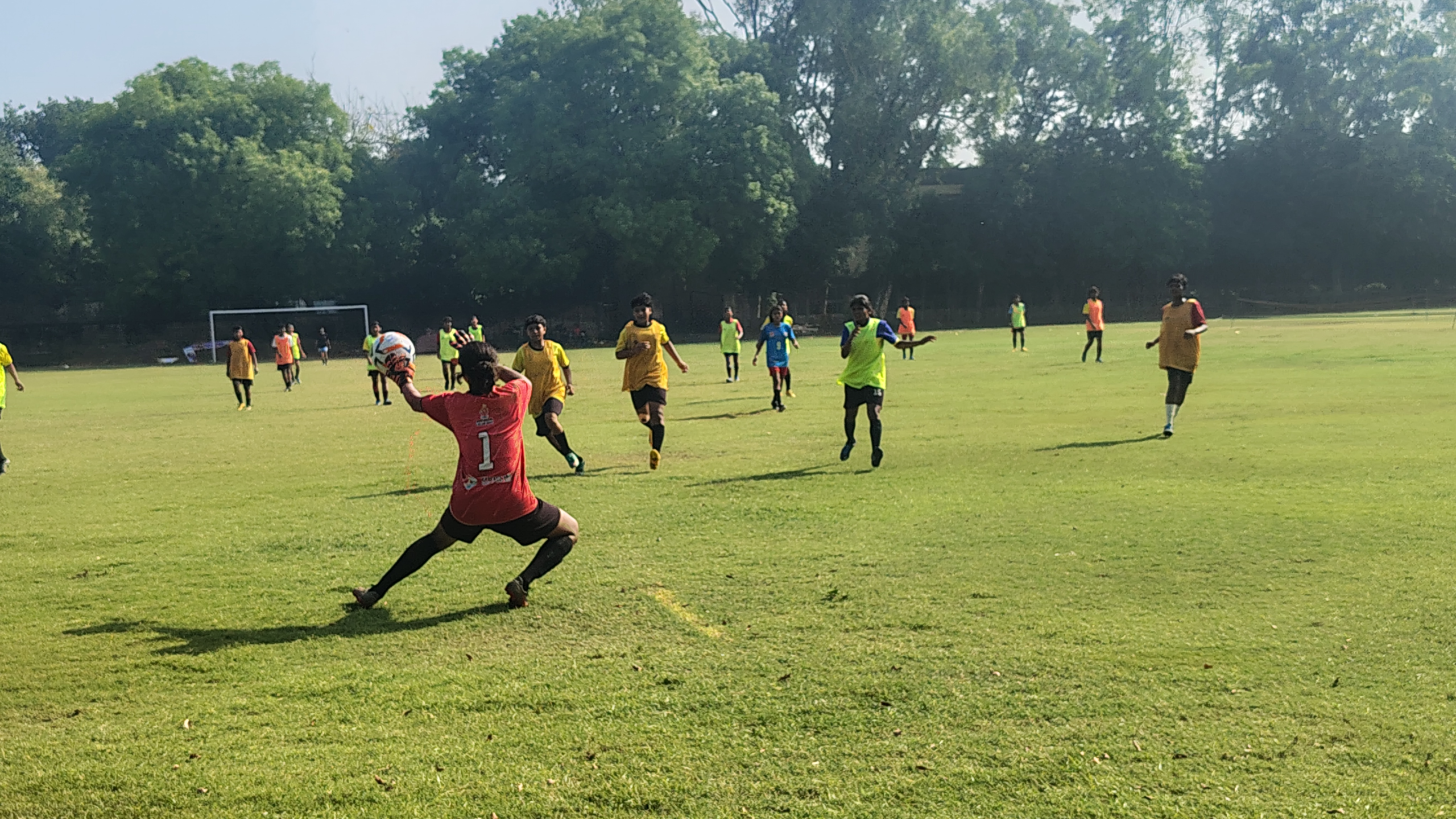
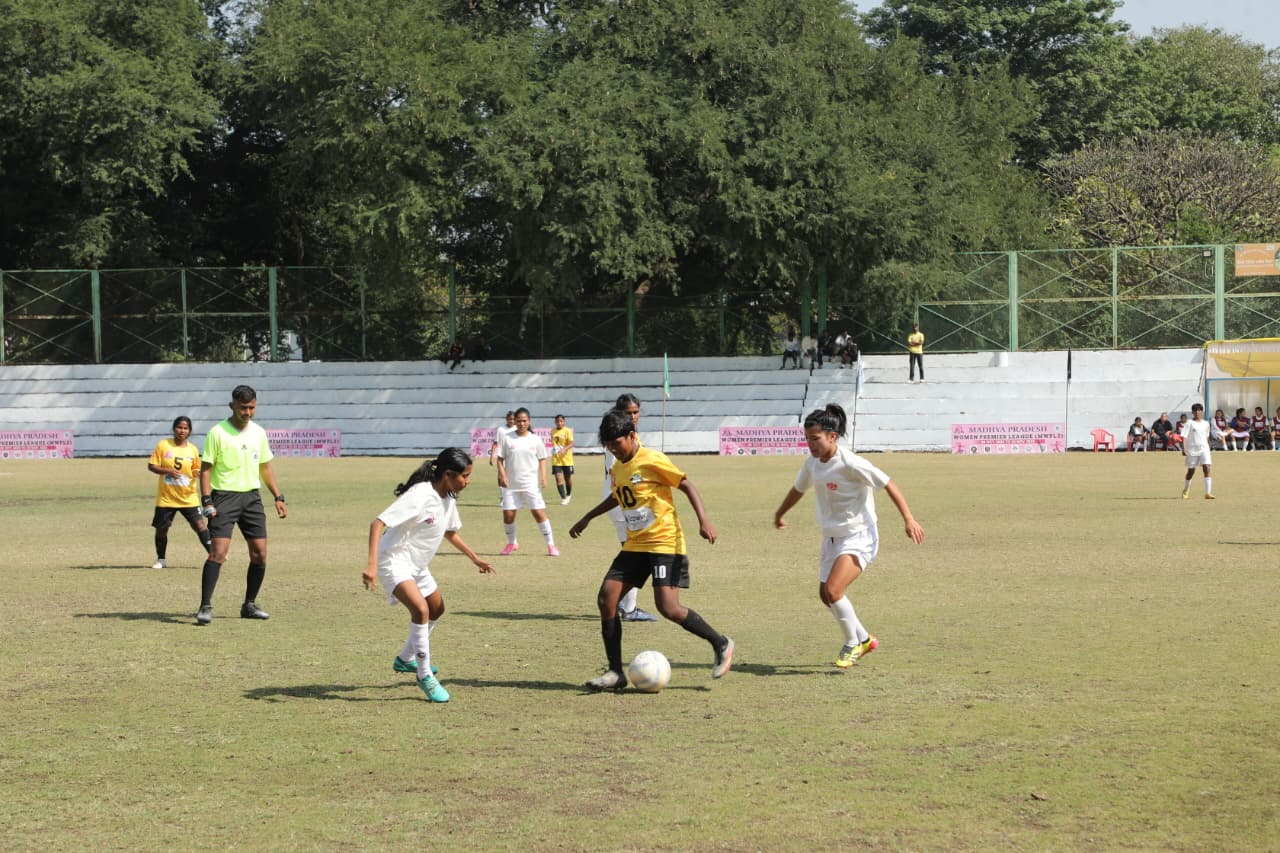
The Raja Hriday Shah Football League represents a sustained effort to introduce structure into grassroots football across Mandla district.
Initiated in 2020 with approximately 300 participants, the league has expanded to engage over 1200 children across more than 50 villages, positioning it as one of the largest organised rural football platforms in the region.
The league is designed to operate across two age categories, under 10 and under 14, enabling early entry into structured sport while maintaining continuity across developmental stages.
A defining feature of the league is its scheduling. Matches are conducted on a weekly basis over an extended period, rather than concentrated into short tournament windows. This approach ensures that participation remains consistent while maintaining alignment with academic schedules.
Team participation is organised across blocks and zones, with structured grouping to enable repeated match exposure. This reduces reliance on one-time events and instead creates predictable opportunities for play and progression.
The 6th edition of the league, conducted during the 2025–26 cycle, brought together teams from multiple blocks, including significant participation from Mohgaon, Samnapur, and Bichhiya regions.
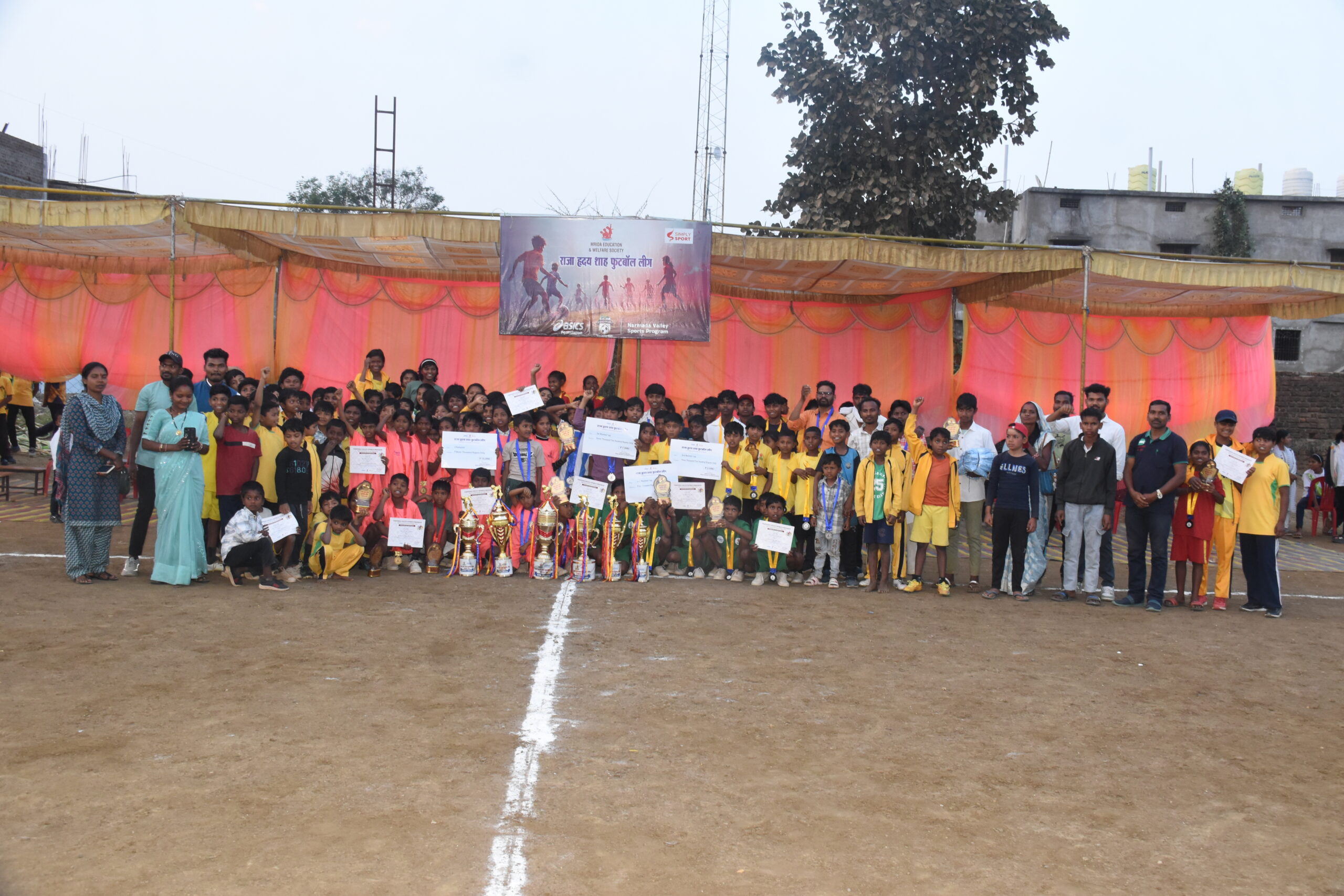
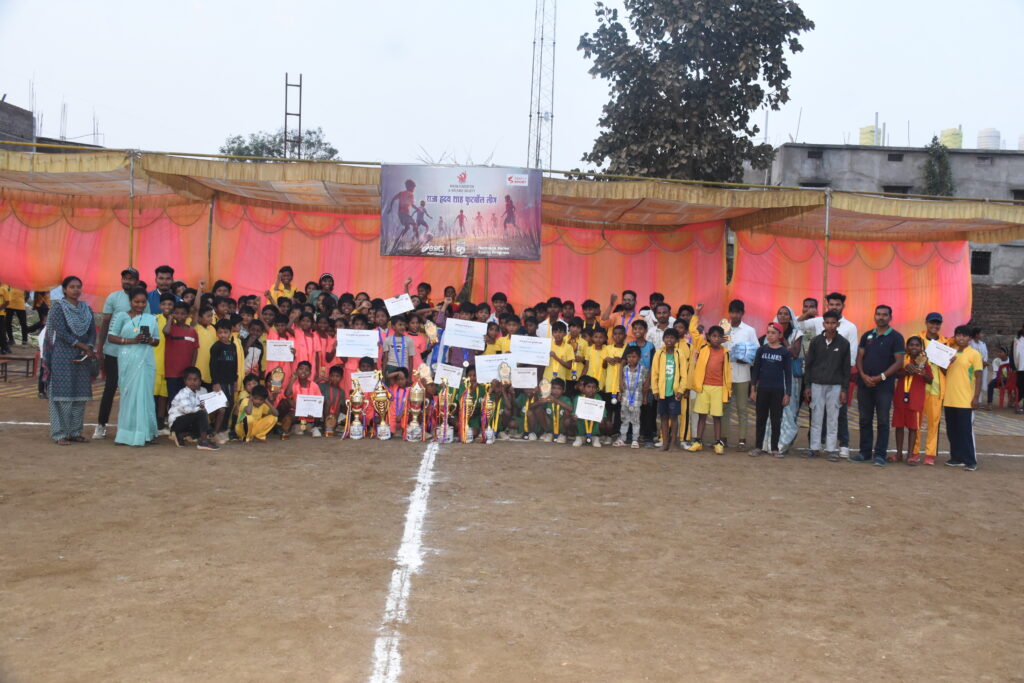
The tournament concluded on 27 February 2026 at Riverside Natural School, Mohgaon, with participation from players, coaches, school staff, and community members. The event saw attendance of approximately 250 children and additional community stakeholders, indicating increasing local engagement with the programme.
Competitive outcomes were structured across team and individual performance. In the under-10 category, Patadei secured first position with a 5–2 result in the final, while multiple individual recognitions were awarded, including best player, top scorer, goalkeeper, and most promising players. Coaching contributions across participating villages were also formally recognised.
Beyond competition, the league integrates behavioural and community-oriented elements. The closing ceremony included a collective anti-tobacco pledge, undertaken by players, coaches, and community members, reinforcing the role of sport as a platform for public health awareness.
The significance of the league lies in its structural approach.
It establishes:
Early access to organised sport
Regular and sustained participation
Exposure to competitive environments
Community-level engagement and ownership
Within the broader programme framework, the league functions as an entry point into a tiered sports system, linking grassroots participation with school-based engagement and higher-level competitive exposure.
While the system continues to evolve, the league has begun to address a key gap in rural sport ecosystems: the absence of continuity between participation and progression.