Mrida Education and Welfare Society

Tranforming Lives

Where rural children get access to opportunties. 

Evolution of the Residential Model

Since its inception, Mrida Education and Welfare Society has operated its residential institution from a rented facility, where the same infrastructure functioned as a school during the day and a hostel in the evening.

The academic structure has evolved to ensure continuity of education across grades:

  • The in-house school currently supports children from pre-primary to Grade 10
  • Students in Grades 11 and 12 attend Government school and participate in structured after-school learning sessions at Mrida

This hybrid model has enabled access to education across age groups, despite infrastructural limitations.

Infrastructure Constraints

While the model has delivered continuity, the existing infrastructure is no longer adequate to support scale or quality.

The dual use of the same space as both school and hostel has resulted in operational and health-related challenges:

  • Lack of spatial separation between learning and living environments
  • No dedicated isolation areas, making it difficult to manage illnesses or prevent the spread of infections
  • Admission of younger children (as young as 5 years) who require foundational hygiene training, increasing vulnerability to communicable conditions
  • Limited capacity to ensure safe, age-appropriate residential care

These constraints directly impact both child wellbeing and the effectiveness of the learning environment.


The Way Forward: Narmada Valley Residential Campus

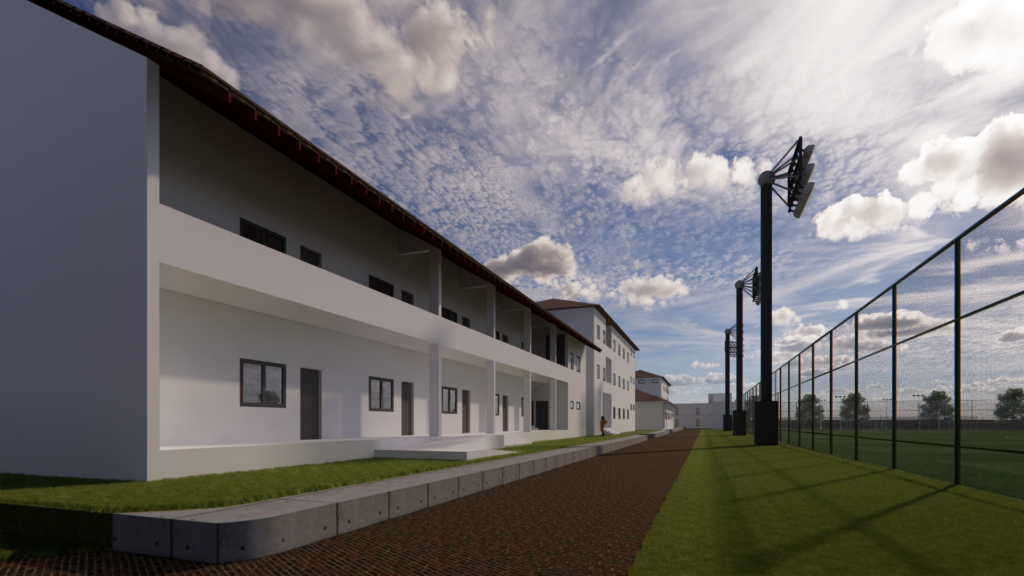
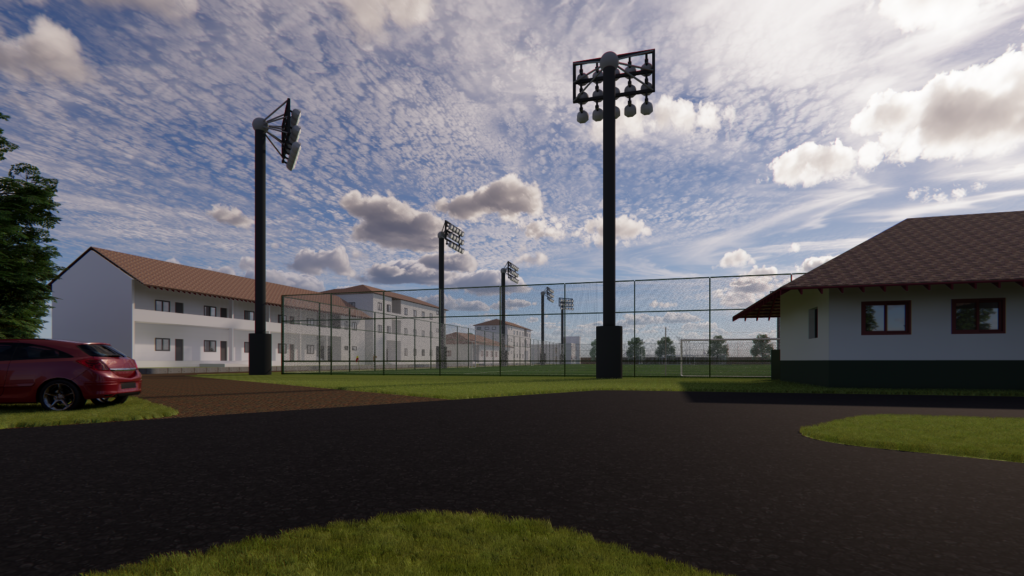
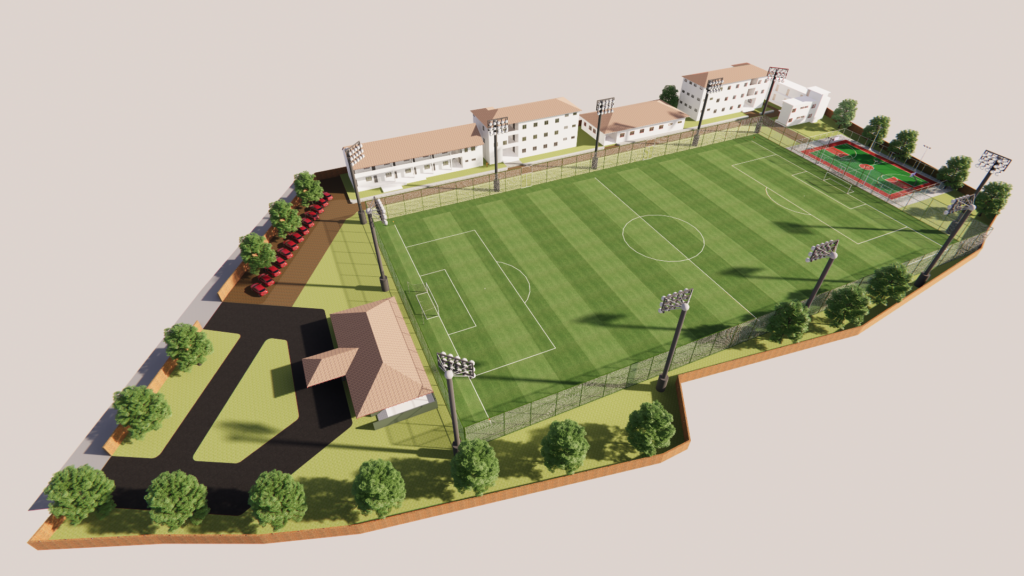
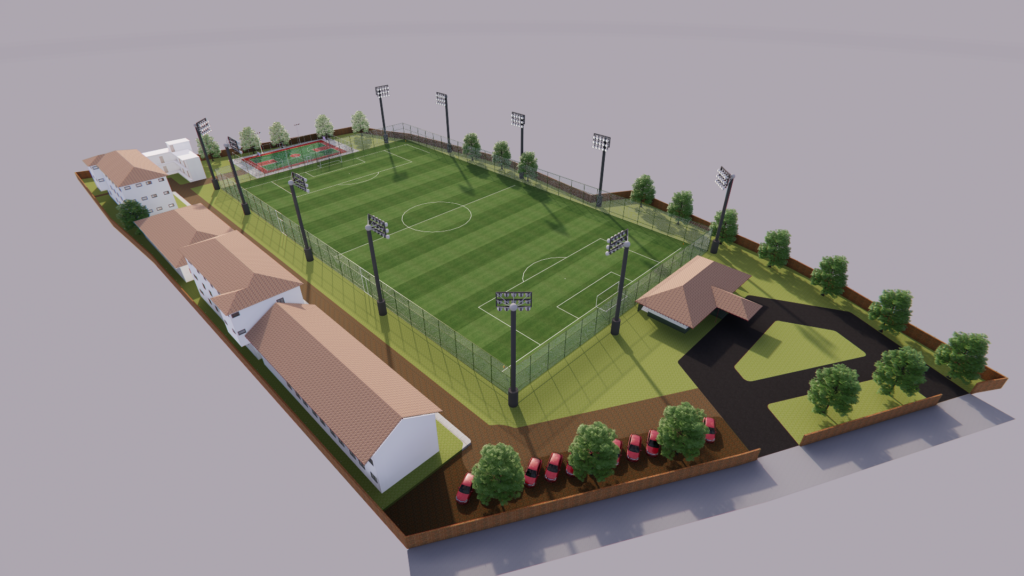
To address these challenges and enable long-term scale, Mrida is establishing the Narmada Valley Residential Campus (NVRC) in Imligohan village, located approximately 8 km from Mandla district headquarters.

This purpose-built campus will:

  • Serve 300 tribal children from the most underserved communities in the region
  • Provide dedicated, well-planned infrastructure separating academic, residential, and health spaces
  • Enable a safe, hygienic, and development-focused environment for children across age groups

The land for the campus has already been acquired and registered in the name of the Society, with all necessary approvals in place.


Phased Development Plan

The campus will be developed in five phases, ensuring both scalability and financial feasibility.

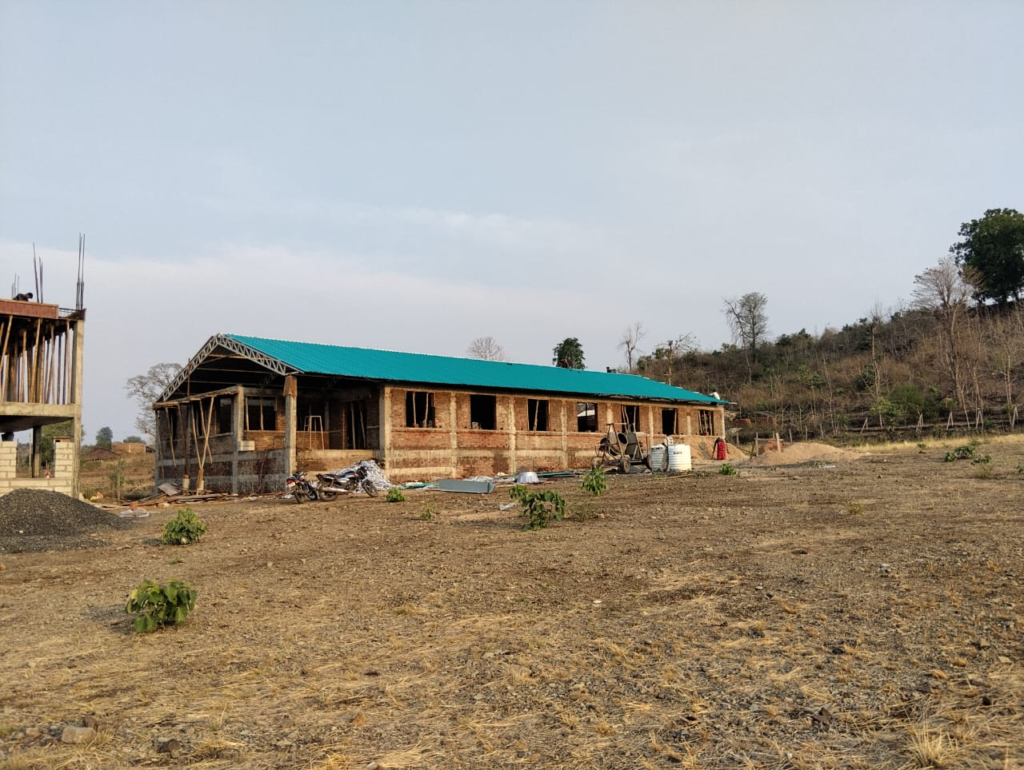
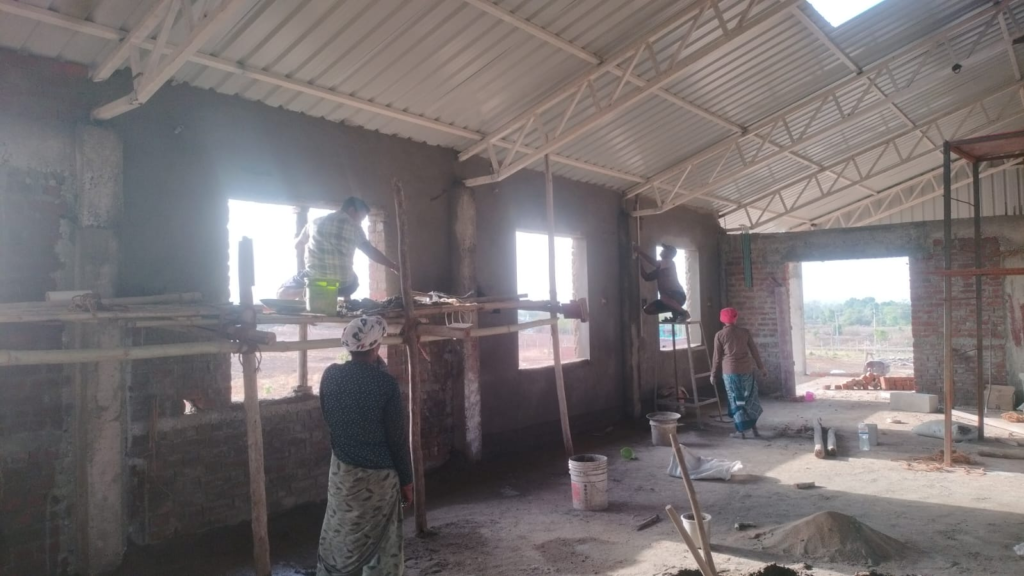
  • Phase 1: Construction of a ground-floor dormitory for girls, designed to accommodate 75 students
  • Phase 2: Staff residential quarters
  • Phase 3: Boys’ hostel (ground floor, capacity 75)
  • Phase 4: School building infrastructure
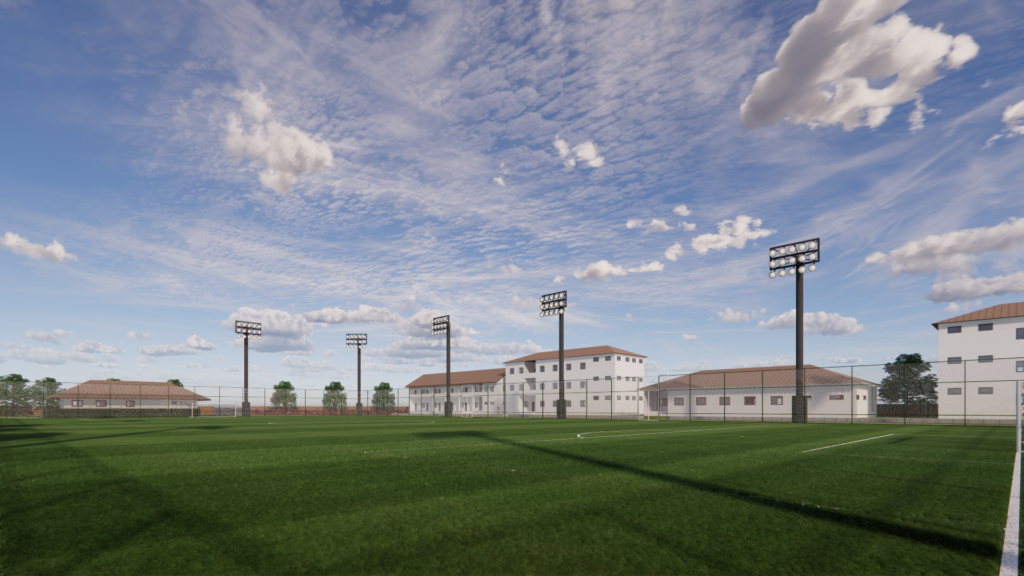
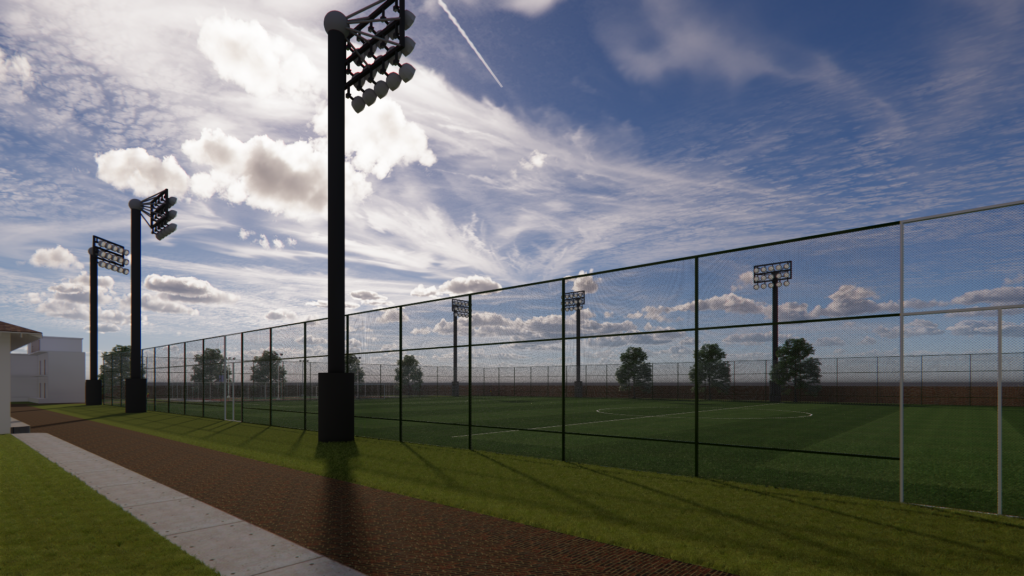
  • Phase 5: Football Ground and Other Amenities 

Subsequent phases will expand capacity and infrastructure to fully realise the vision of a comprehensive residential learning ecosystem.
 

Evolution of the Residential Model

Since its inception, Mrida Education and Welfare Society has operated its residential institution from a rented facility, where the same infrastructure functioned as a school during the day and a hostel in the evening.

The academic structure has evolved to ensure continuity of education across grades:

  • The in-house school currently supports children from pre-primary to Grade 10
  • Students in Grades 11 and 12 attend Government school and participate in structured after-school learning sessions at Mrida

This hybrid model has enabled access to education across age groups, despite infrastructural limitations.

Infrastructure Constraints

While the model has delivered continuity, the existing infrastructure is no longer adequate to support scale or quality.

The dual use of the same space as both school and hostel has resulted in operational and health-related challenges:

  • Lack of spatial separation between learning and living environments
  • No dedicated isolation areas, making it difficult to manage illnesses or prevent the spread of infections
  • Admission of younger children (as young as 5 years) who require foundational hygiene training, increasing vulnerability to communicable conditions
  • Limited capacity to ensure safe, age-appropriate residential care

These constraints directly impact both child wellbeing and the effectiveness of the learning environment.

The Way Forward: Narmada Valley Residential Campus

To address these challenges and enable long-term scale, Mrida is establishing the Narmada Valley Residential Campus (NVRC) in Imligohan village, located approximately 8 km from Mandla district headquarters.

This purpose-built campus will:

  • Serve 300 tribal children from the most underserved communities in the region
  • Provide dedicated, well-planned infrastructure separating academic, residential, and health spaces
  • Enable a safe, hygienic, and development-focused environment for children across age groups

The land for the campus has already been acquired and registered in the name of the Society, with all necessary approvals in place.

Phased Development Plan

The campus will be developed in five phases, ensuring both scalability and financial feasibility.

  • Phase 1: Construction of a ground-floor dormitory for girls, designed to accommodate 75 students
  • Phase 2: Staff residential quarters
  • Phase 3: Boys’ hostel (ground floor, capacity 75)
  • Phase 4: School building infrastructure
  • Phase 5: Football Ground and Other Amenities

Subsequent phases will expand capacity and infrastructure to fully realise the vision of a comprehensive residential learning ecosystem.
The Challenge

300+ children share a space that was never built for this many. With the right support, we can transform it into an environment where every child can learn, stay healthy, and thrive.

Disrupted Routine

Overlapping school and hostel activities create noise and scheduling conflicts.

Unsafe Play

The football ground is small, dusty in winter, and unusable during monsoons.

Lack of Privacy

Children of all ages share common spaces, affecting comfort and well-being.

Hygiene Issues

Young children need guidance on basic hygiene, but space constraints make it difficult.

Health Risks

Infections spread easily due to shared living and learning spaces.

Limited Space

No dedicated areas for school, hostel, or isolation for sick children.

THE SOLUTION

NARMADA VALLEY RESIDENTIAL CAMPUS

"Want to deepen your impact?

We’d love to explore how you can contribute further — whether by connecting us with new partners, sharing expertise, or extending your support. Please reach out to us to discuss how we can grow this journey together.

CONSTRUCTION UPDATE

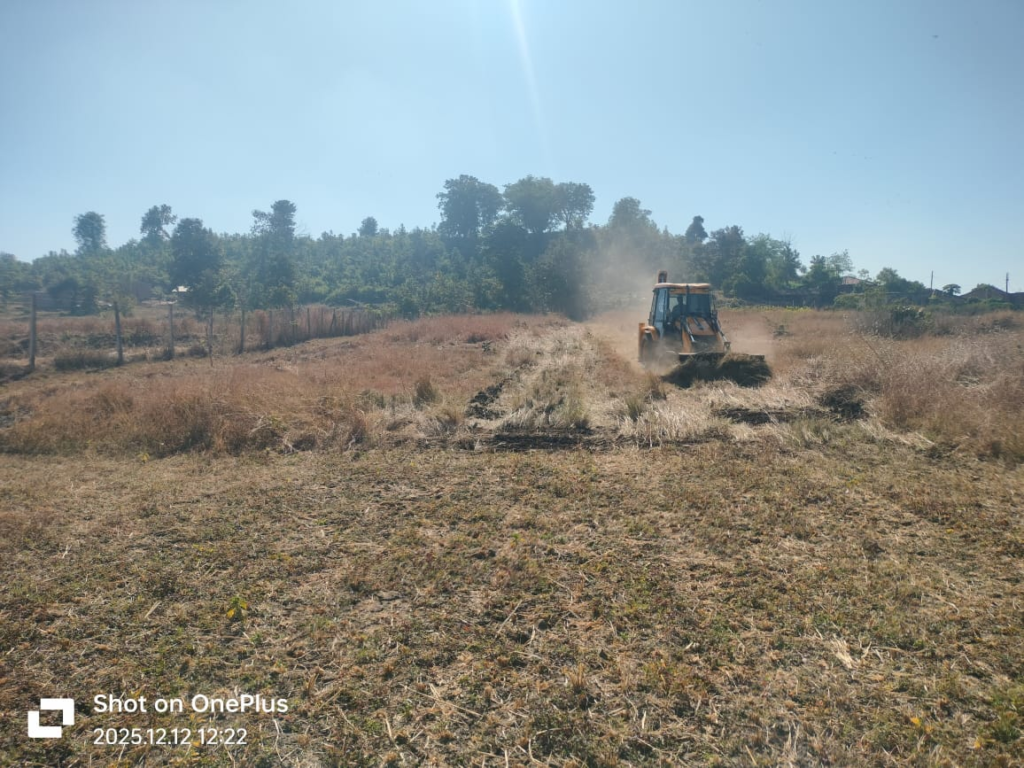
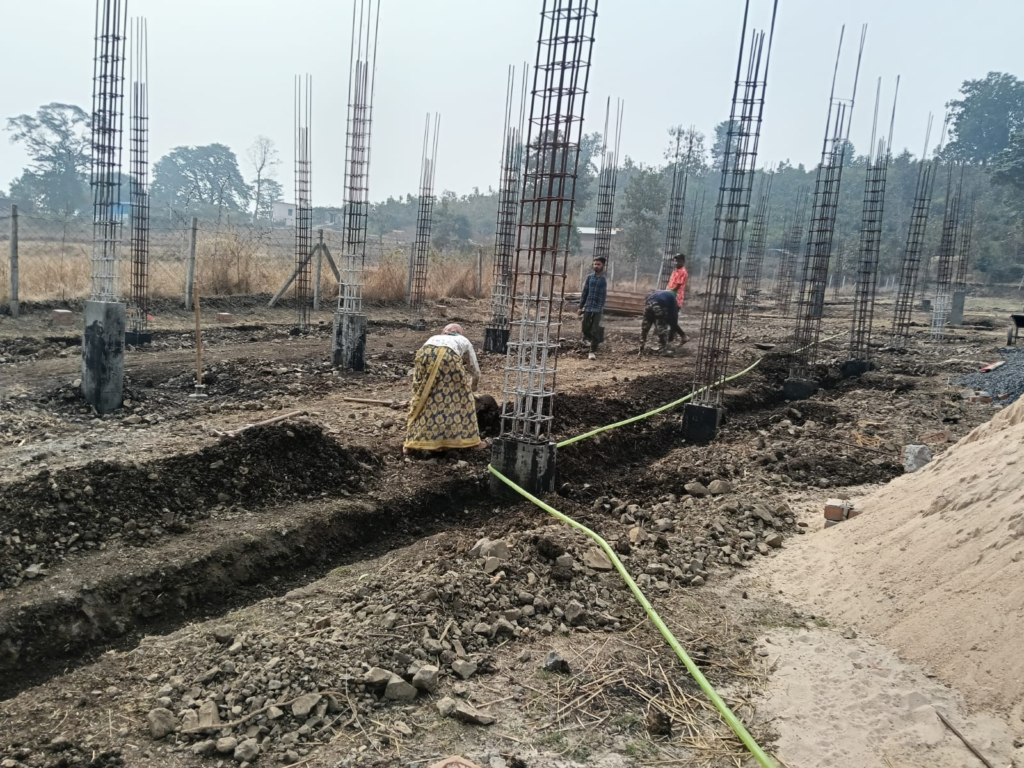
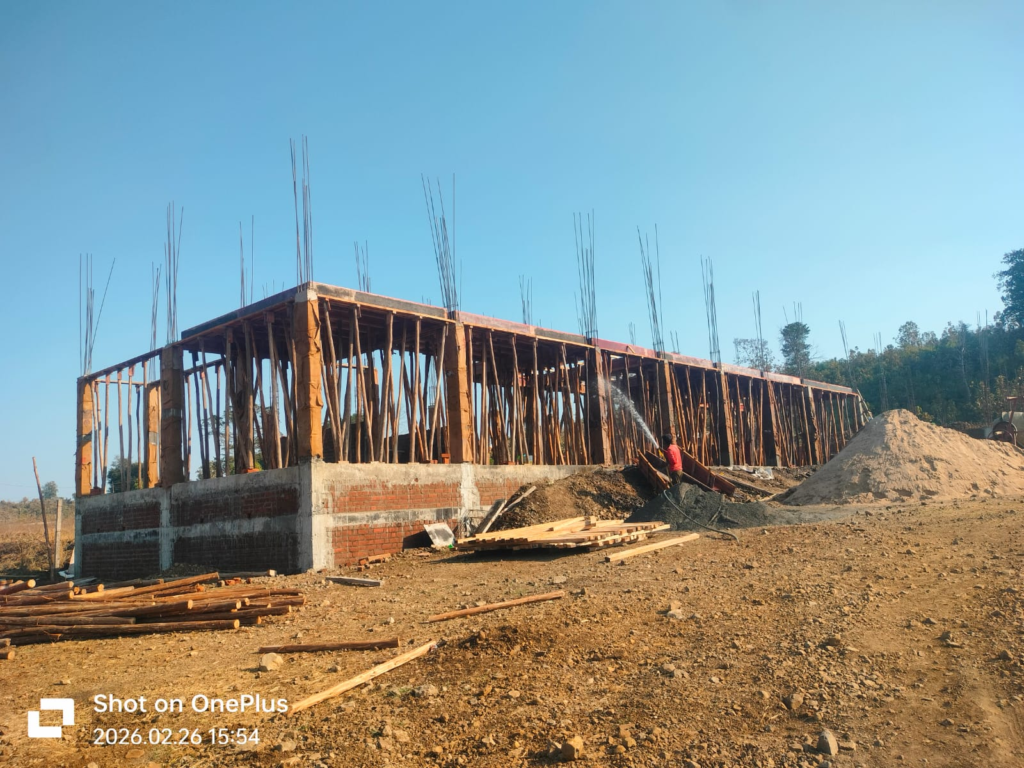
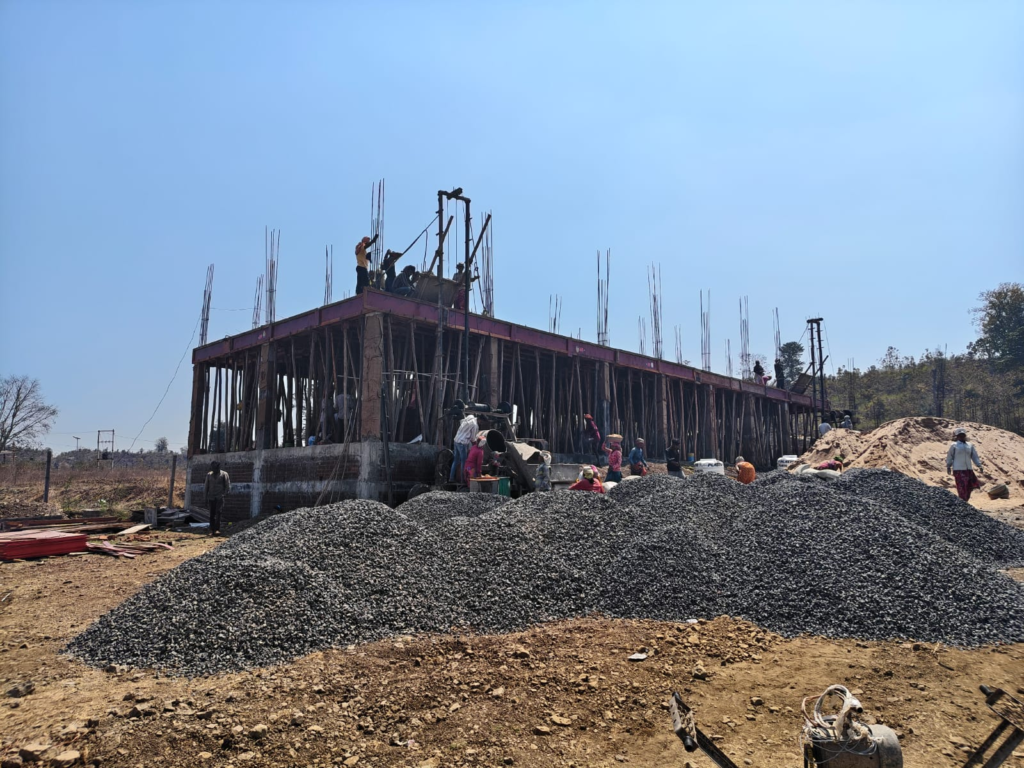
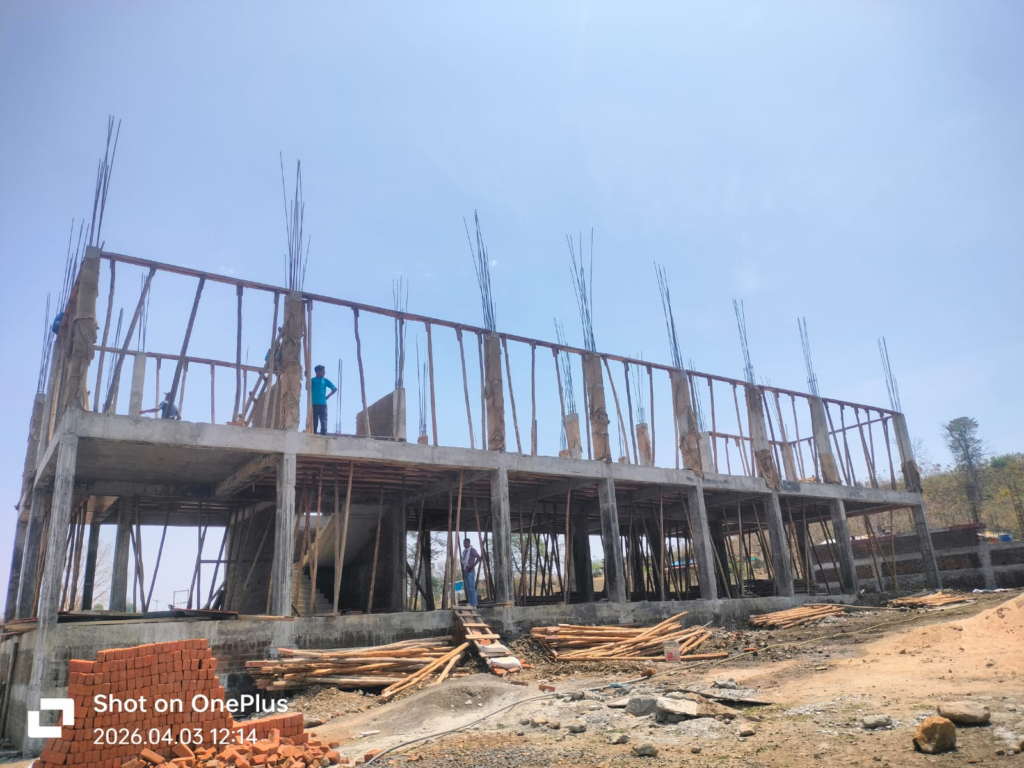
As of April 2026, the foundation of the girls’ dorm is complete, and we are moving forward with the construction of the staff quarters.