Quarterly Health Report: July–September
Healing, Loss, and the Strength of Our Children
This quarter at Riverside Natural School has been a season of both resilience and reminders of the urgent need for better healthcare access in Mandla. Between July and September, 07 out of 142 hostel students faced health concerns — from injuries and infections to jaundice. While every child is now recovering with care, this quarter also brought us face-to-face with the harsh realities of rural health risks.
The Most Common Concern: Injuries
Injuries remained the single biggest health challenge. 6 children reported back pain, knee pain, shoulder and ankle injuries. The poor condition of the ground and the absence of a physiotherapist continue to delay recovery.
How we responded
- Provided Homeopathic medicines for pain relief
- Distributed Iron and Calcium tablets on alternate days
- Added milk and peanut-jaggery laddoos to boost recovery
Despite slow healing, children showed remarkable grit in continuing their studies and sports.
Jaundice Cases Linked to Water and Nutrition
Three children were diagnosed with jaundice this quarter. Doctors traced the cause to unsafe drinking water and lack of proper nutrition. These are also our sports children who travel often for tournaments.
Treatment involved both government and private hospitals, with diet support (khichdi, bananas, warm water) aiding recovery. Two children are now fully healthy, while one continues to rest and heal under medical advice.
Infections: Lower than Last Year, but Still a Challenge
Around 7 students reported skin-related infections — itching, rashes, black patches. While this number is lower than last year’s 45, infections still disrupted daily routines and sports practice.
Children responded well to:
- Homeopathic medicines
- Traditional neem decoctions
- Ongoing targeted care for chronic cases
Special Health Concerns
- One child is under review for a shoulder condition where surgery may be required. For now, ayurvedic treatment from Bengaluru is being followed.
- One child faced prolonged menstrual health issues that lasted almost two weeks. Iron tablets and homeopathic support, and nutritional laddoos helped restore strength.
- Several children developed white patches with itching. Earlier treatments at local centres failed, but new homeopathic interventions from Mandla are showing results.
Beyond Illness: A Personal Loss
This quarter also reminded us of the fragile line between health and tragedy. One of our oldest hostel students, now in Class 10, lost her three-year-old sister to a snake bite during the monsoon. Two years earlier, she had already lost her brother to sickle cell anemia — another silent demon that continues to haunt tribal families in Mandla.
Snake bites are an unfortunate reality of rural life in the monsoons. Flooded fields drive snakes into homes, and medical help often arrives too late.
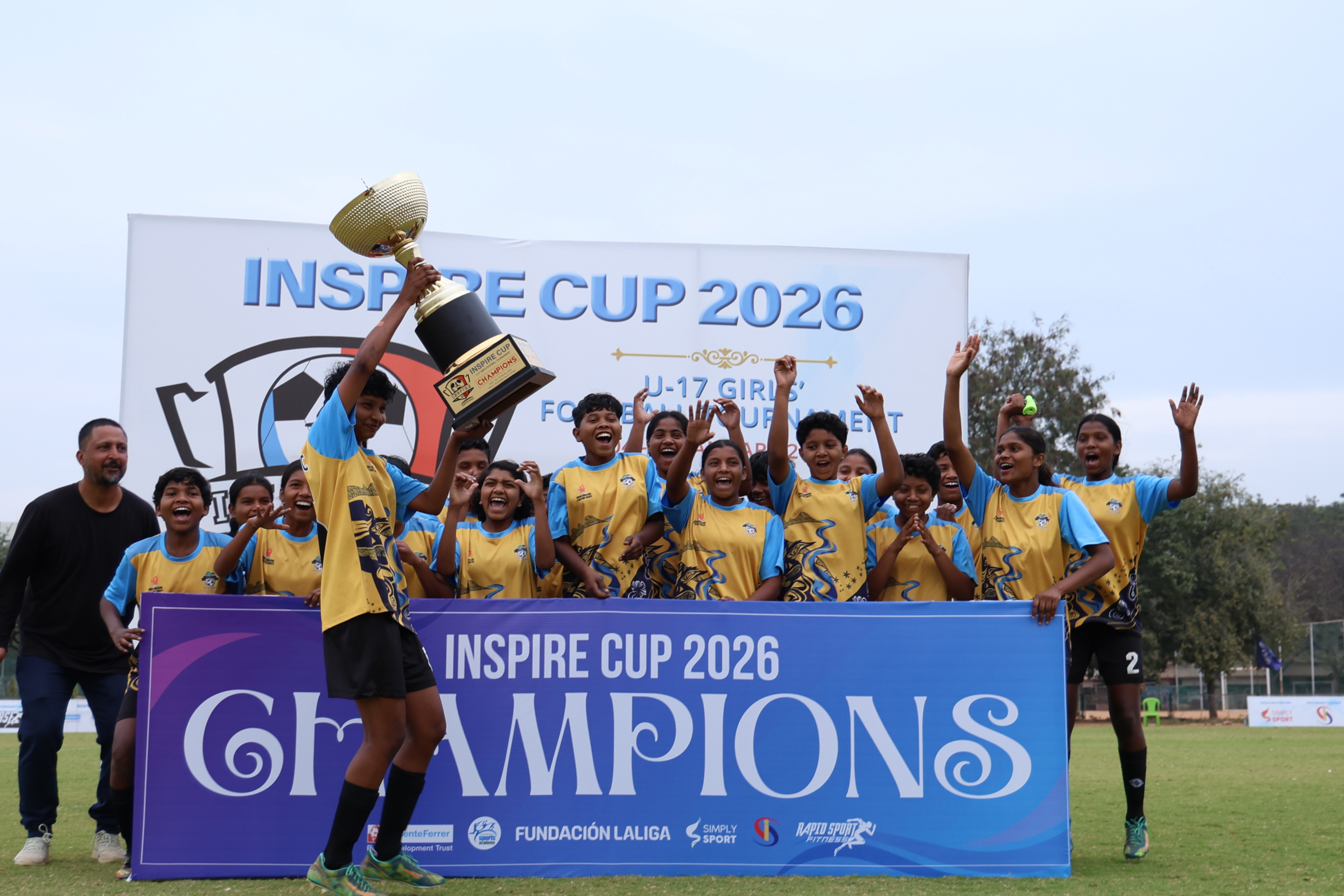
Yet, what inspires us most is the resilience of this young girl. On the football field, she kneels before matches to help the younger girls tie their boots. In the classroom, she studies with quiet focus. In life, she carries her grief with grace, teaching us that our hostel is more than shelter — for children like her, it is a sanctuary where lives are rebuilt.
The Gaps That Remain
While every illness this quarter was managed, systemic challenges persist:
- Lack of physiotherapists for recurring injuries
- Limited access to quality doctors in nearby facilities
- Reliance on multiple doctors and medical systems from Mandla district HQ and Jabalpur due to absence of experienced doctors who can diagnose and prescribe medications at the local level
Looking Ahead
The quarter shows that injuries and infections remain the most common risks, though infection cases have dropped compared to last year. With stronger systems — better sports infrastructure, consistent medical support, and reliable nutrition — children’s health can improve dramatically.
For now, the children’s resilience keeps the hostel moving forward. Their courage in the face of loss, illness, and uncertainty is not just inspiring — it is a call for all of us to strengthen the safety nets around them.